
Study Finds Demodex Mites Common Among Eyelash Extension Users
A study presented at an ophthalmology meeting found Demodex mites on the lashes of nearly all sampled women who regularly use eyelash extensions, highlighting the need for regular eyelid hygiene and awareness of potential eyelid inflammation.
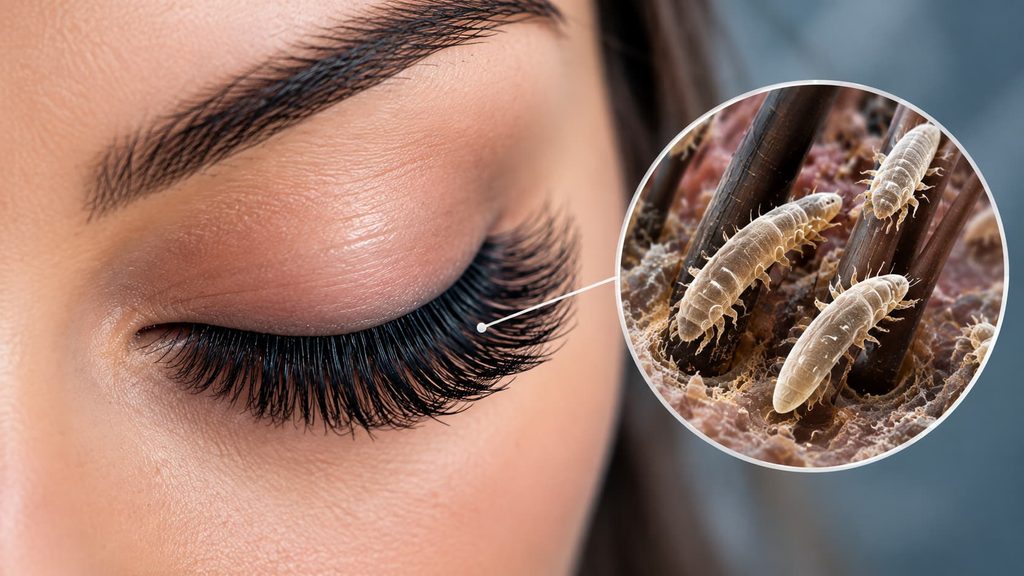
Young women who routinely receive eyelash extensions frequently carry microscopic mites on their lashes, a small study presented at a recent ophthalmology meeting suggests, raising questions about eyelid hygiene and the cosmetic procedure’s impact on eye health.
Study findings
Researchers surveyed 345 teenagers and young women about eyelash extension use; 86 (24.9%) reported having had extensions, and nearly half of those users (47.6%) experienced symptoms such as redness, tearing, itching, or discomfort after procedures. Among extension users, examination showed widespread meibomian gland dysfunction, with a subgroup who had more than 10 procedures showing gland changes in 85% of cases.
The team performed microscopic analysis on eyelashes collected from 25 women who had undergone more than 10 extension procedures. Demodex folliculorum, a common eyelid mite that feeds on skin cells, was identified in samples from 24 of the 25 participants. Eighteen of these women had clinical demodicosis, with eyelid margin itching, swelling, crusting, lash sticking, and the characteristic cylindrical dandruff at the lash base.
What this means
Demodex mites are known carriers of eyelid inflammation, and the study’s authors say the results point to the need for routine eyelid care among people who get extensions rather than recommending that people stop the practice outright. Investigators noted that many extension users visit salons every three to four weeks, which may increase the chance of persistent eyelid surface changes if hygiene is inadequate.
Unlike strip false lashes, eyelash extensions are individual synthetic or natural fibers glued to existing lashes; the global market is growing rapidly and is expected to exceed $2 billion in 2026, with the United States accounting for roughly 40% of sales. Past reports and guidance from ophthalmology groups have already flagged safety and hygiene concerns related to extensions, including allergic and inflammatory reactions to adhesives.
Based on the findings, clinicians and cosmetology professionals are encouraged to emphasize eyelid hygiene and to consider demodectic blepharitis when patients present with chronic eyelid irritation. The study’s authors recommend preservative-free, hypoallergenic eyelid cleansers used with an eyelash brush twice daily and say antiparasitic treatment may be appropriate when Demodex infestation is confirmed.
The researchers said the results should prompt both eye-care practitioners and beauty professionals to develop clearer recommendations for clients about maintenance and timely assessment of symptoms following extension procedures.