
Sazgar profit decline after higher taxes
Sazgar’s Q1 FY27 profit fell to Rs. 4.04bn as higher taxes on hybrid vehicles squeezed margins, even while revenue rose 23% to Rs. 41.71bn and EPS hit Rs. 66.77.
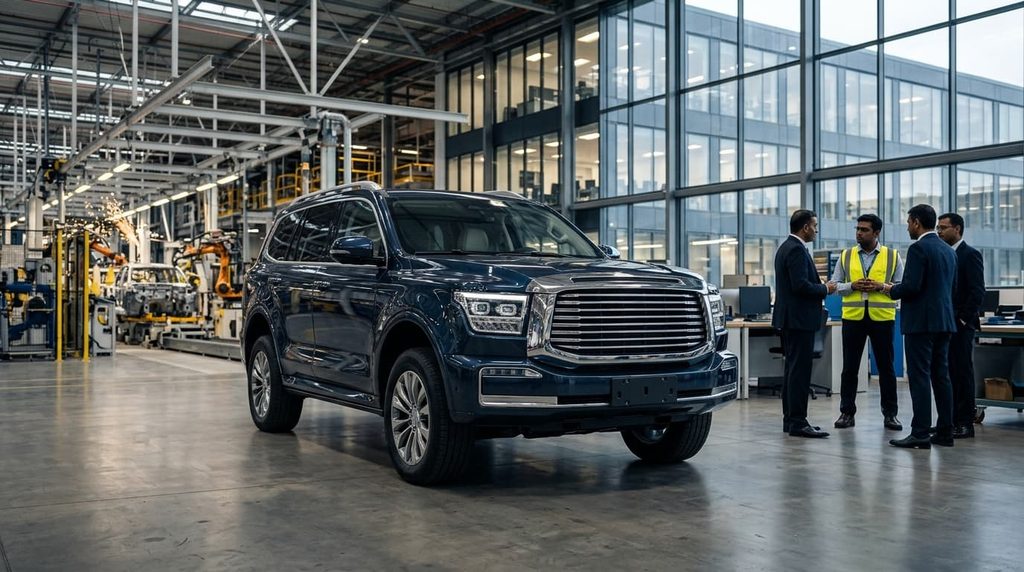
Sazgar profit decline was the headline outcome of the company’s first-quarter results for FY27, as after-tax profit fell to Rs. 4.04 billion — down 9% year on year and 54% quarter on quarter — despite a 23% annual rise in revenue to Rs. 41.71 billion. The drop came alongside a smaller-than-expected interim cash dividend of Rs. 5 per share and a squeeze on margins from higher taxes on hybrid models.
Quarterly performance highlights
The company reported earnings per share of Rs. 66.77 and declared an interim dividend of Rs. 5 per share, a payout ratio of 7% versus 21% a year earlier. Revenue growth was driven in part by the addition of the Tank 500 to Sazgar’s lineup, yet sales volumes were mixed: four-wheeler deliveries fell to 3,137 units (down 12% year on year and 50% quarter on quarter), while three-wheeler sales rose to 7,735 units (up 45% year on year and 4% quarter on quarter).
Gross profit margin compressed to 20% from 25% in 1QFY26. Distribution expenses climbed 72% year on year to Rs. 1.7 billion, other income stood at Rs. 629 million (down 6% quarter on quarter), and finance costs rose 4.2 times year on year amid higher long-term borrowings. Sazgar’s effective tax rate eased slightly to 37% from 39% a year earlier following a 200 basis-point cut in the super tax in the FY27 budget.
Sazgar profit decline: why margins held up
Topline Research said margins “remained above expectations” despite headwinds. The brokerage pointed to two offsetting factors: Sazgar is absorbing part of a higher general sales tax on hybrid electric vehicles and plug-in hybrids, which reduced gross margin, while an inventory cushion — roughly Rs. 42 billion as of June 2026 — likely covered much raw material cost pressure after concessionary tariffs expired.
What This Means for Pakistan
For shareholders, the lower interim dividend and 54% quarter-on-quarter profit drop means reduced near-term cash returns and a signal of higher costs filtering through the sector. For buyers and the wider auto market, the report highlights the direct impact of tax policy: higher GST on hybrid models was specifically cited as a margin headwind and is being partly absorbed by the manufacturer, which may affect pricing decisions and product profitability going forward.
On the corporate side, rising finance costs tied to long-term borrowings reflect how companies are funding growth and model rollouts; such costs can influence vehicle pricing and investment plans. The divergent volume trends — a sharp quarterly dip in four-wheeler sales versus growth in three-wheelers — will matter to dealers and fleet buyers monitoring supply and demand in coming months.
Background
Sazgar Engineering Works Limited (PSX: SAZEW) manufactures three- and four-wheeled vehicles. Its 1QFY27 results come amid broader industry shifts: expiry of concessionary tariffs on parts and evolving tax policy for electrified vehicles have reshaped margins across Pakistan’s auto sector.
For context on corporate earnings in Pakistan’s listed sector, see recent results such as the PTCL Group results. Tax changes that affect consumer electronics and imports are also impacting business plans more broadly — for example, recent moves on mobile taxes cutting taxes for $101–$200 imports.
Sources: News Source