
Iran Offers 7-Day Plan to Reopen Strait of Hormuz and Resume U.S. Nuclear Talks
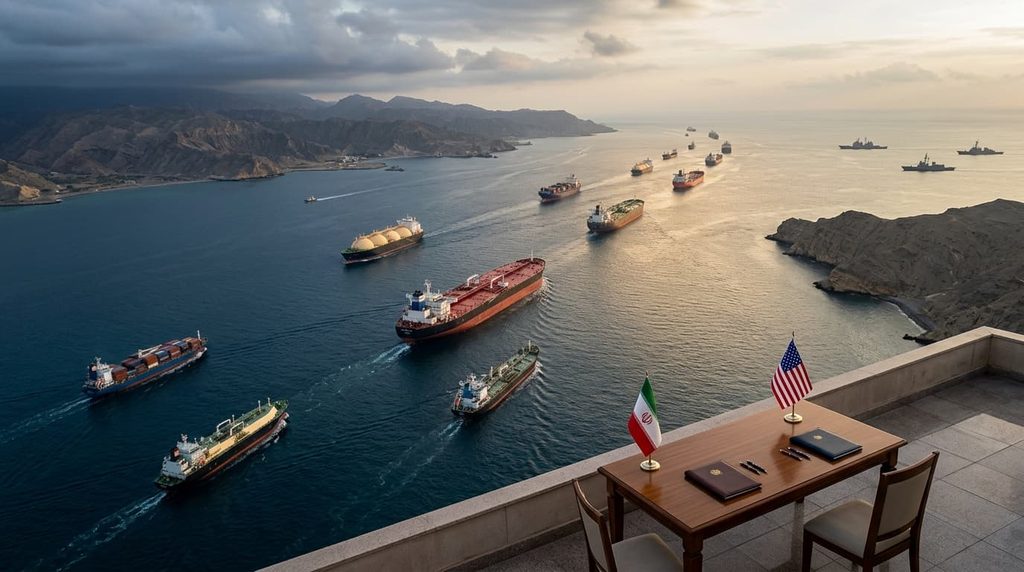
Iran has proposed reopening the Strait of Hormuz within seven days and restarting nuclear negotiations with the United States, provided Washington agrees to Tehran’s conditions.
The diplomatic proposal comes at a critical moment for the Middle East, with the nearly seven-month U.S.-Iran conflict continuing to disrupt regional security, energy markets and one of the world’s most important shipping routes.
Iran lays out seven-day Hormuz proposal
Iranian Foreign Minister Abbas Araghchi said Tehran has presented Washington with a plan under which the Strait of Hormuz could reopen at the end of a seven-day period if agreed conditions are fulfilled.
Araghchi said the proposal is based largely on provisions contained in an earlier understanding reached between Iran and the United States in June. That agreement subsequently broke down, leaving the two countries divided over the conditions required for a broader settlement.
The new proposal would also pave the way for renewed negotiations over Iran’s nuclear programme once the seven-day process is completed. Reports indicate that Tehran wants a broader reduction in hostilities and changes to U.S. economic and military pressure as part of the arrangement.
The proposal remains a diplomatic offer rather than a finalized agreement, and substantial differences between Washington and Tehran remain unresolved.
Strait of Hormuz traffic drops sharply
The negotiations carry major implications for global energy markets because the Strait of Hormuz is a crucial route for oil and gas shipments from the Gulf.
Preliminary ship-tracking data showed commodity-vessel transits through the waterway fell to nine on Thursday, down from 14 the previous day and well below the recent 10-day average of around 18. The figures may not capture vessels operating without active transponders.
The disruption has kept global markets focused on any diplomatic breakthrough that could improve shipping conditions and reduce uncertainty surrounding Gulf energy supplies.
U.S.-Iran diplomacy gains momentum
The latest proposal follows signs of renewed diplomatic engagement between Washington and Tehran during the UN General Assembly in New York.
U.S. President Donald Trump said earlier this week that talks with Iran were continuing and reiterated that Washington would not accept Iran acquiring nuclear weapons. Iranian President Masoud Pezeshkian, meanwhile, has publicly maintained that Tehran remains interested in reaching an agreement.
Despite the renewed dialogue, the two governments continue to disagree over the terms and sequencing of any settlement.
China enters the diplomatic picture
The Iran crisis is also part of the wider diplomatic agenda surrounding Chinese President Xi Jinping’s visit to Washington.
Trump and Xi are holding talks amid disagreements over trade, artificial intelligence, Taiwan and Iran. China maintains substantial economic ties with Tehran, while Washington has sought Beijing’s cooperation as diplomatic efforts continue around the conflict.
China has previously faced calls from Gulf countries to use its economic influence with Iran to help ease regional tensions and restore more normal shipping through the Strait of Hormuz.
Hormuz remains central to any wider settlement
Reopening the Strait of Hormuz would have consequences far beyond Iran and the United States. The waterway is strategically important to Gulf energy exports, making disruptions there a major concern for oil-importing countries, shipping companies and global markets.
Iran’s seven-day proposal therefore represents a potentially significant diplomatic opening, but its implementation depends on whether Washington and Tehran can agree on the conditions attached to the plan.
With negotiations continuing and regional tensions still elevated, developments surrounding the Strait of Hormuz, U.S.-Iran nuclear talks and the wider Middle East conflict are likely to remain closely watched.